

In today’s hyper-competitive global economy, executing a successful international business expansion requires far more than basic demographic analysis and capital allocation. Relying on historical data and static quarterly reports is no longer sufficient for sustainable growth. Expanding into new geographic territories or launching new product lines carries inherent risks, but modern businesses are mitigating these through advanced market research.
For business owners, CEOs, executives, and government organizations, the margin for error in strategic decision-making has virtually disappeared. The intersection of market research and global market entry strategy is undergoing a fundamental shift—moving from reactive observation to proactive, predictive orchestration. Organizations must adopt continuous, data-driven frameworks or risk losing market share to more agile competitors.
This article explores the definitive industry landscape for corporate expansion, the friction points enterprises face, and how integrating advanced market research insights can optimize your international expansion strategy.
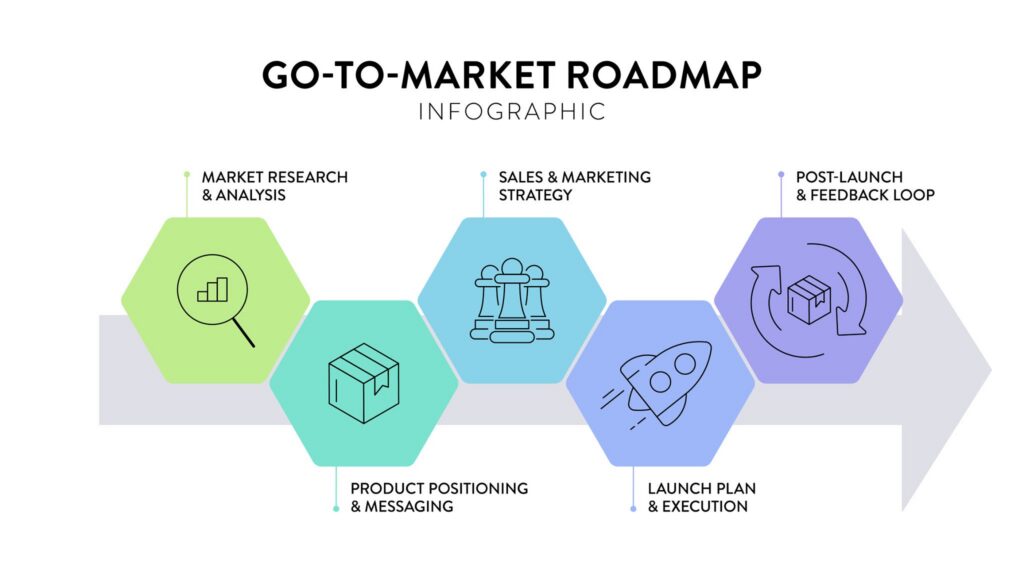
Industry Overview: The Shift to Proactive Intelligence
The global data landscape has matured. By 2026, business intelligence is shifting from static dashboards to intelligent, automated, and embedded analytics experiences. Emerging technologies like Agentic AI, real-time data streaming, and augmented data discovery are transforming how organizations interact with consumer insights.
As businesses expand into emerging markets—from the GCC to the Caribbean, LATAM, and Africa—they often rely on localized translations of generic research. However, modern consumers demand hyper-personalized experiences rooted in their specific cultural contexts. Translating marketing collateral into a local language is insufficient. Entering a new demographic requires an intimate understanding of local values, purchasing behaviors, and social norms.
This is where Business Intelligence (BI) transitions from a support function into the central nervous system of a modern enterprise. By leveraging BI platforms, leadership teams can track regional website behavior, social sentiment, and macroeconomic indicators months before committing capital to a new region.
Key Challenges in International Business Expansion
When defining a global market entry strategy, enterprise decision-makers face a distinct set of modern hurdles that complicate international expansion:
- Geopolitical and Supply Chain Volatility: Tariffs, trade embargoes, and shifting political alliances can dismantle a profitable business model overnight. Companies entering new markets must evaluate not just the destination market, but the entire logistical pathway required to service it.
- Data Privacy and Regulatory Fragmentation: An enterprise market entry strategy must account for the legal infrastructure required to collect, store, and process consumer data without violating regional mandates. Mismanaging first-party data strategies in new territories immediately erodes consumer trust and invites severe financial penalties.
- Cross-Cultural Blind Spots: Failing to integrate cultural context and localized behavioral norms into competitive intelligence often leads to costly strategic misfires.
- “Dashboard Fatigue” and Information Overload: With the massive influx of raw data, executives often struggle to separate signal from noise. Without a unified data architecture, decision-makers are left with fragmented insights.
Market Research Insights for 2026
To overcome these challenges, organizations must rely on comprehensive market intelligence for global growth. Here are the critical insights shaping successful business intelligence deployments this year:
1. Agentic AI and Automation
Instead of an executive requesting a report from an IT analyst, AI agents can now autonomously identify a spike in customer acquisition costs and push a synthesized recommendation directly to the executive’s workflow. The adoption of Agentic AI is automating the entire analytics workflow, allowing human researchers to focus on strategic and cultural interpretation.
2. Predictive Analytics Overpowers Basic GenAI
While Generative AI is useful for summarizing text, traditional predictive AI is proving far more valuable for core business operations. Predictive modeling allows organizations to shape product portfolios, optimize pricing, and guide cross-border expansion based on anticipated future behavior rather than past performance.
3. Continuous Behavioral Listening
By analyzing customer support interactions, localized social media conversations, and regional search trends, businesses gain an accurate, real-time read on consumer pain points before officially entering the market.
Use the interactive simulator below to understand how different business intelligence inputs impact your overall readiness for international expansion.
Practical Recommendations for Your International Business Expansion
To build a resilient international expansion strategy, leadership teams should implement the following actionable recommendations:
- Prioritize Data Quality Management Before AI Implementation: Do not build sophisticated AI architecture on fragmented, siloed data. Establish clear data governance frameworks. Reliable data is the prerequisite for any advanced AI or market research initiative.
- Establish a “Local-for-Local” Operational Blueprint: Move away from heavily centralized supply chains. When entering a new region, prioritize local partnerships, regional suppliers, and modular production nodes.
- Utilize Hybrid Intelligence for International Expansion: When conducting feasibility studies, do not rely solely on automated data scraping. Pair big data analytics with human researchers who possess localized cultural intelligence.
- Audit for Cultural and Bias Blind Spots: Ensure your data collection and AI models are audited for regional bias. Work with local experts to validate findings.
- Select the Right Entry Vehicle via Risk Modeling: Weigh the structural options carefully. If speed to market is critical but regulatory barriers are high, consider strategic joint ventures or licensing agreements with established local entities.
- Integrate Cybersecurity from Day One: Treat data security as a core pillar of your global market entry strategy. Adhere to recognized security standards (such as the NIST Cybersecurity Framework or ISO/IEC 27001) to safeguard sensitive information.
How GRMC EdgeSphere Can Help
At GRMC EdgeSphere, we are more than an international market research firm—we are a strategic partner for navigating global complexity. Blending AI-powered insights, SaaS automation, and blockchain innovation, we deliver transformative solutions across global research, business consulting, and digital transformation.
We help leadership teams build scalable, future-ready solutions that support continuous product innovation and operational excellence. Our capabilities include:
- Deep-Dive Market Research: Utilizing advanced AI automation and rigorous methodologies to uncover unarticulated consumer needs and precise market sizing. Our seasoned research teams design and execute quantitative surveys and qualitative interviews across the Caribbean, Latin America, Africa, and Asia, providing a truly international perspective grounded in local expertise.
- Customized Market Entry Strategies: We evaluate regulatory frameworks, supply chain logistics, and geopolitical risks to determine your most profitable path to market. We deliver competitive intelligence solutions tailored to the unique cultural contexts of your target region.
- Agentic AI & Automation: We implement advanced predictive analytics and AI business agents that transform complex datasets into immediate, actionable recommendations.
- Cybersecurity & Data Governance: We ensure your data ecosystem remains compliant, secure, and fully optimized for reliable AI integration. All research activities adhere to ISO 27001 and NIST-aligned security standards, safeguarding sensitive information.
To learn more about our methodologies, explore our Market Research Services and discover how we can equip your decision-makers with actionable, evidence-based insights.
Conclusion
A successful global market entry strategy is the difference between a thriving international presence and a costly strategic retreat. The 2026 business environment demands that market research and business intelligence operate not as isolated departments, but as the core strategic engine of the enterprise.
By grounding your expansion efforts in rigorous data governance, embracing agentic AI for continuous analysis, and deploying localized cultural intelligence, your organization can move into new territories with confidence and precision.
Stop relying on intuition. Start leading with data-driven confidence. Contact GRMC EdgeSphere today to secure your competitive advantage in the global marketplace.